

1 in 6 people are affected by the WWS infertility agreement. Infertility affects millions of people, has become a common health problem, but the emotional impact it has is something that cannot be explained in words. Sterility It can be caused by several factors such as lifestyle habits, food consumption, genetics, accidents, measurements, etc., but science can help you with the dream of your main hood. Reproductive technology assisted by art It can help you overcome all the challenges and enjoy your parents’ hood trip.
Artistic treatments play a vital role in the lives of couples who face difficulties is to achieve fatherhood. Understanding what art, its types is and how it works can empower people to make informed and safe decisions.
A better fertility center will always analyze the root problem and provide the best fertility treatments with compassionate attention. Finding medical help from the expert at the right time is essential for a successful result. In this blog, you will know what art, its roles and benefits in the paternity of the trip is.
-
Understanding assisted reproductive technology (art)
Assisted reproduction technology (art) includes a variety of medical procedures designed to help people or couples conceive of a child. Art mainly implies the handling of eggs, sperm or embryos outside the body, typically in a laboratory environment, to help with fertilization.
Recommended art treatments of fertility experts in the following circumstances,
-
Infertility due to blocked fallopian tubes, under sperm counting or ovulation problems
-
Genetic disorders, where embryo detection may be necessary
-
Inexplicable infertility
-
Single parents or couples LGBTQ+, which require donor sperm, eggs or gestational carriers
-
The growth of art in India
In India, the art demand has increased over the years, with many couples seeking treatments such as Five Due to the change of lifestyles, delayed marriages and growing consciousness. With better laboratory facilities and trained fertility specialists, successful rates are improving.
According to Indian society for assistant reproduction (ISAR), infertility affects almost 10, 15% of married couples in India, which makes art an essential part of modern reproductive medical care.
-
What are the 5 types of assisted reproduction technology?
There are several art techniques available; Each adapts to specific fertility conditions and personal needs. These are five of the most common and effective methods:
3.1. In vitro fertilization (IVF)
IVF is the rather, know Art procedure. It implies recovering eggs from the ovaries, fertilizing them with sperm in a laboratory and then transferring the embryo to the uterus.
-
Ovarian stimulation to produce multiple eggs
-
Egg recovery under Soft sedation
-
Fertilization in a laboratory
-
Embryo transfer after 3, 5 days
This method is ideal for women with blocked fallopian tubes, men with mild infertility or couples with inexplicable infertility. Preparing the body, both physically and emotionally, before starting IVF is important to improve the results.
3.2. Into -Pytoplasmic sperm injection (ICSI)
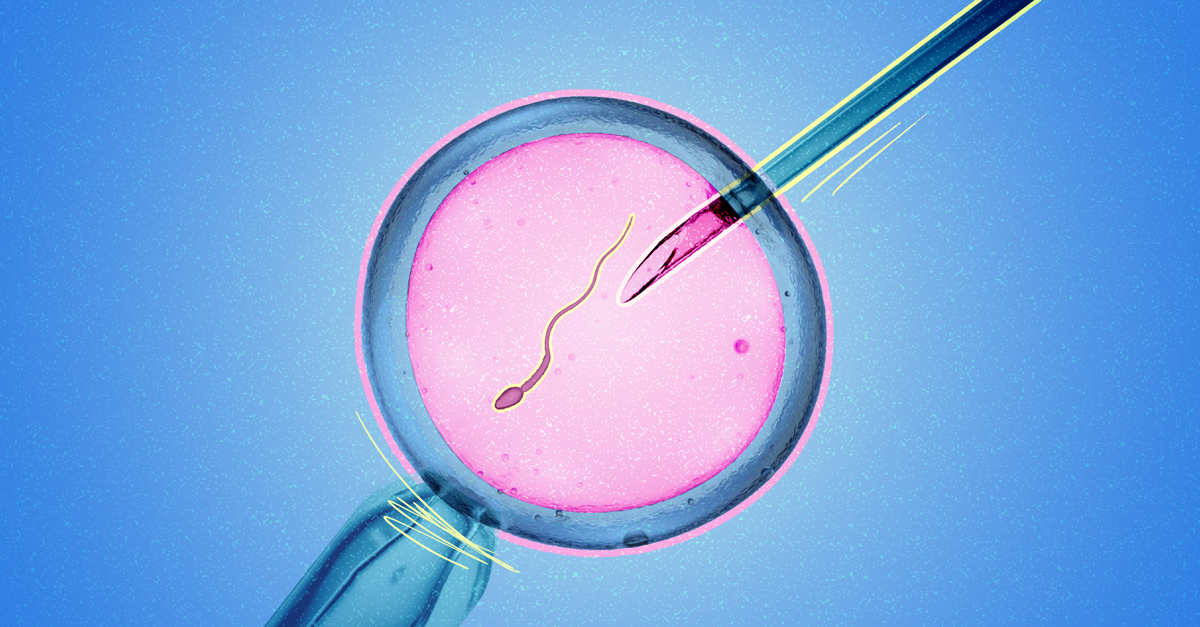
ICSI is a specialized technique used within the IVF process, especially in cases of male infertility. Sacrify a solution when the quality of sperm is low or when fertilization has previously failed in conventional IVF.
How helps: In ICSI, a single healthy sperm, selected and injected directly into the mature egg to guarantee fertilization. This advanced procedure improves successful fertilization possibilities, partly in cases of bad motility or sperm count. It has become a preferred choice for couples fighting with the infertility of male factors.
3.3. Intrauterine insemination (IUI)
IUI is a simpler and more affordable fertility treatment that is chosen as an initial option before moving to more complex methods such as IVF.
When used: IUI is suitable for couples with inexplicable infertility, mild male infertility or problems with ovulation. In this procedure, the healthy sperm is washed and inserted directly into the uterus around the time of ovulation, increasing fertilization possibilities.
Since it is less invasive and more cost, effective, IUI is or recommended for young couples or those with minor fertility problems.
3.4. Donor Eggs and Donor Sperm
Donor, assisted reproduction is an important part of art, which offers hope when the eggs or sperm of a person are not viable for conception.
Why is it recommended: This option is used when there is premature ovarian insufficiency, poor egg or sperm quality, or the risk of transmitting genetic disorders. Eggs and donor sperm go through thorough detection to guarantee quality and health.
He thought that the process can be emotionally challenging, many couples find it useful, since it provides a high probability of a successful and healthy pregnancy. Advice and transparency are important parts of this trip.
3.5. Gestational subrogation
Subrogation is a method where a woman (substitute) takes a baby for planned parents. It can be a life solution, changing for couples who cannot carry pregnancy themselves.
When chosen: Subrogation for women with medical conditions that make pregnancy is risky or impossible, such as the absence of uterus, multiple IVFR failures or health groups. In the gestational subrogation, the embryo is created using eggs and sperm of the parents (or donors) of the parents planned and implanted in the substitute’s uterus.
Indian laws now allow only an altruistic subrogation, which means that the substitute does not receive financial compensation that is not medical expenses. Legal and emotional advice is crucial before starting this process.
-
What are the benefits of assisted reproduction technology?
Art brings more than only medical solutions; Restore hope and trust. This is how people and couples benefit:
4.1. Greater possibilities of conception
Art increases the hood of probability, only in complex cases. With evolving laboratory techniques and embryo selection methods, successful rates are constantly improving, especially in younger age groups.
4.2. Personalized treatment plans
The fertility trip is unique for everyone, and so are treatment routes. The medical history of each couple, the age, the hormonal profile and the cause of the infrastructure guide the decision about which treatment is most appropriate.
-
IUI can be recommended in cases of mild male infertility, inexplicable ovulation or infertility problems.
-
The IVF is generally suggested when there are blocked fallopian tubes, severe endometriosis or when other treatments house.
-
ICSI is preferred when sperm, related problems such as low counting or motility are present, which guarantees better fertilization possibilities.
An expert fertility doctor will evaluate all the factors before suggesting the correct approach. This level of customization not only improves success rates, but also provides clarity and direction an emotionally sensitive moment.
Art supports people from various origins, single parents, cancer survivors and LGBTQ+individuals, ensuring that everyone has an opportunity in paternity.
4.4. Flexibility and time control
Options such as freezing eggs or sperm help those who wish to delay pregnancy due to health, career or personal reasons without compromising fertility potential.
4.5. Strength and emotional support
While the trip through art can be emotional, many fertility centers sacrifice advice, group sessions and mental health support. Knowing that you are not alone on this trip of brings strength and resistance.
Infertility may seem like a tacit load, but with the advancement of Assisted reproduction technologyHope has a scientific basis. Art not only addresses physical barriers, but also supports the emotional and mental well, being through its many approaches.
Understanding your options, trusting your fertility expert and starting treatment at the right time can make a difference. Paternity can have the tasks of a different path, but with art, it is still a very possible and satisfying trip.
Sharumathi Loganathan He is a passionate health writer who contributes to Sudha fertility centerTamil Nadu, India. It specializes in creating information and compassionate content around fertility treatments, women’s health and maternal care. His work is presented on respectful medical sites, helping readers to better understand their health trips with clarity and confidence.