

This Wednesday morning, a thread of digital diplomacy wove hope into the air. President Donald Trump stirred the conversation on trade by calling Prime Minister Narendra Modi a “very good friend,” signaling renewed energy in talks aimed at easing tariffs and boosting bilateral commerce.
Not long after, PM Modi tendered his response warm and poised. He embraced the sentiment with the same sincerity:
“India and the U.S. are close friends and natural partners,” he posted on X, reaffirming his optimism.
“I am confident that our trade negotiations will pave the way for unlocking the limitless potential of the India‑US partnership… Our teams are working to conclude these discussions at the earliest.” He added with quiet grace,
“I am also looking forward to speaking with President Trump.”
Beyond Tariffs: A Human Connection
What makes today’s exchange more than just polished diplomacy is its human undertone. These aren’t scripted soundbites they feel like two leaders willing to step beyond tension and talk hope. For Modi, who spoke with measured confidence, it was a moment to assert that India still seeks opportunities even amid friction. For Trump, lifting the tone spiked renewed attention; markets responded, equities ticked upward, and the tone felt unexpectedly cordial after weeks of
tariff crossfire.
The Backdrop: A Relationship Tested
To understand the significance, glance backward. Earlier this year, tariffs soared India imposed on U.S. imports and Trump retaliated in kind. Economists warned of disruption to ongoing trade, with India’s push for tax cuts on domestic goods undercutting U.S. export opportunities. Add accusations about India’s oil trade with Russia, and ties felt strained.
And yet, in February, leaders met in Washington and inked an ambitious “Mission 500” trade strategy to ramp bilateral commerce to $500 billion by 2030. That moment felt like vision in action; today’s dialogue feels like a step to revive it with purpose.
The Power of Tone
Diplomacy, at its delicate best, often turns on tone. A softened “friend” and “natural partner” struck deep. It was enough to reset the logjam and signal readiness for real work ahead. For Indian exporters and trade watchers, Modi’s words offered fresh breathing room. For economic planners, it was a political nod toward reopening productive channels.
Leadership in the Digital Age
In a world full of quick opinions online, this exchange is actually pretty helpful. Modi’s post looked thoughtful and low-key, which showed he’s staying calm and positive as a leader. Trump sharing it suggests there’s more to it than just politics it’s a show of good faith.
Working Together
Okay, the show moves from social media to real-life meetings. Trade folks in New Delhi and Washington need to turn this good vibe into real policy getting rid of tariffs, writing deals, and finding wins for everyone.What they are doing isn’t just about money and tariffs. It’s about building a relationship that both countries know is more important than any news story or political gain. At its heart, it’s all about whether they can trust each other.
Looking Ahead
How things unfold in the next few weeks will shape narratives. Will talks result in incremental deals perhaps concessions to U.S. agribusiness or smoother access for Indian services? Or will disagreements remain stubborn?For now, though, that tweet-length relief felt like more than just optimism—it felt like a reset, a reawakening, and a step toward something better.
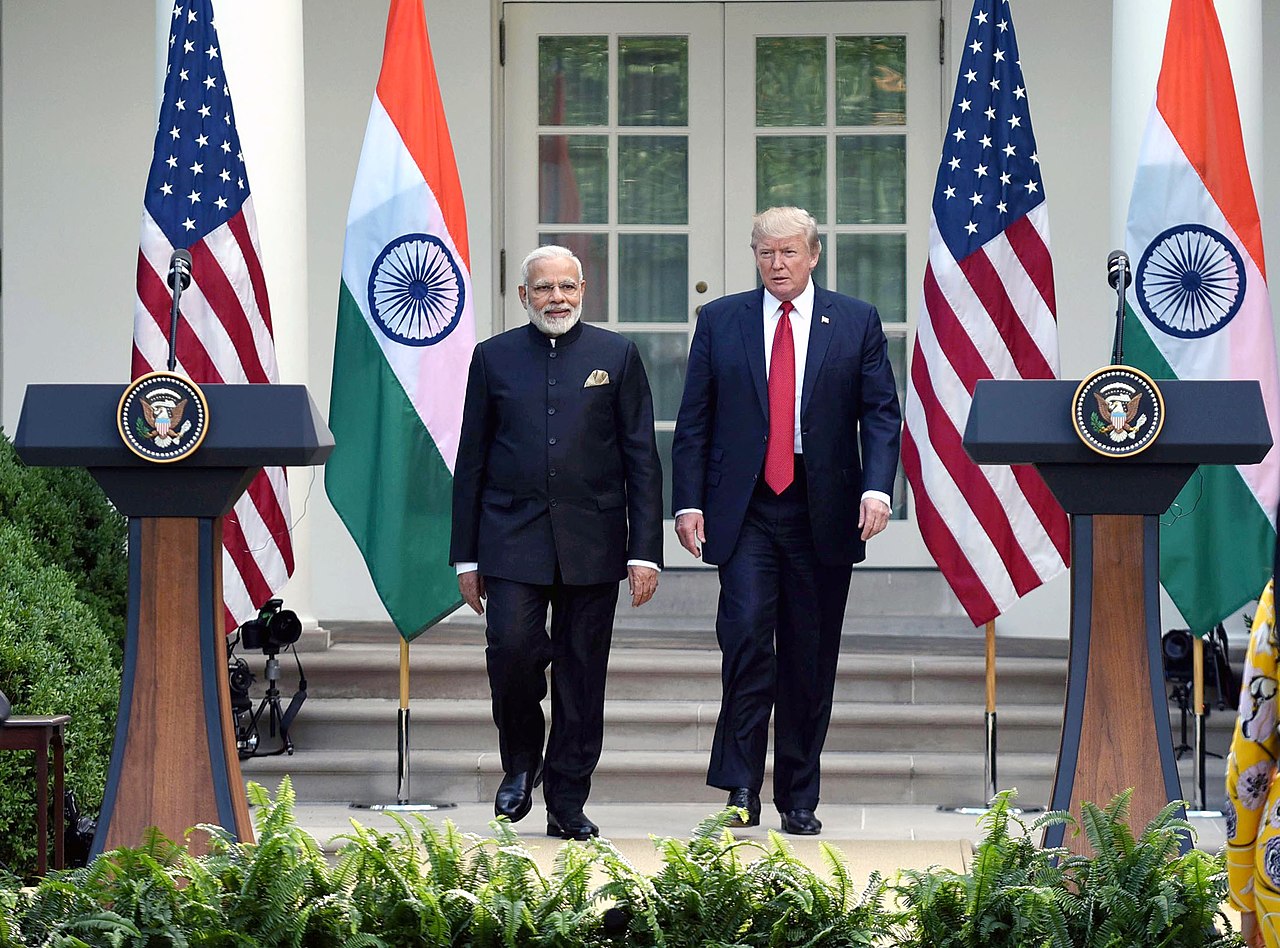
The Prime Minister, Shri Narendra Modi and the President of United States of America (USA), Mr. Donald Trump at the Joint Press Statement, at White House, in Washington DC, USA on June 26, 2017.