

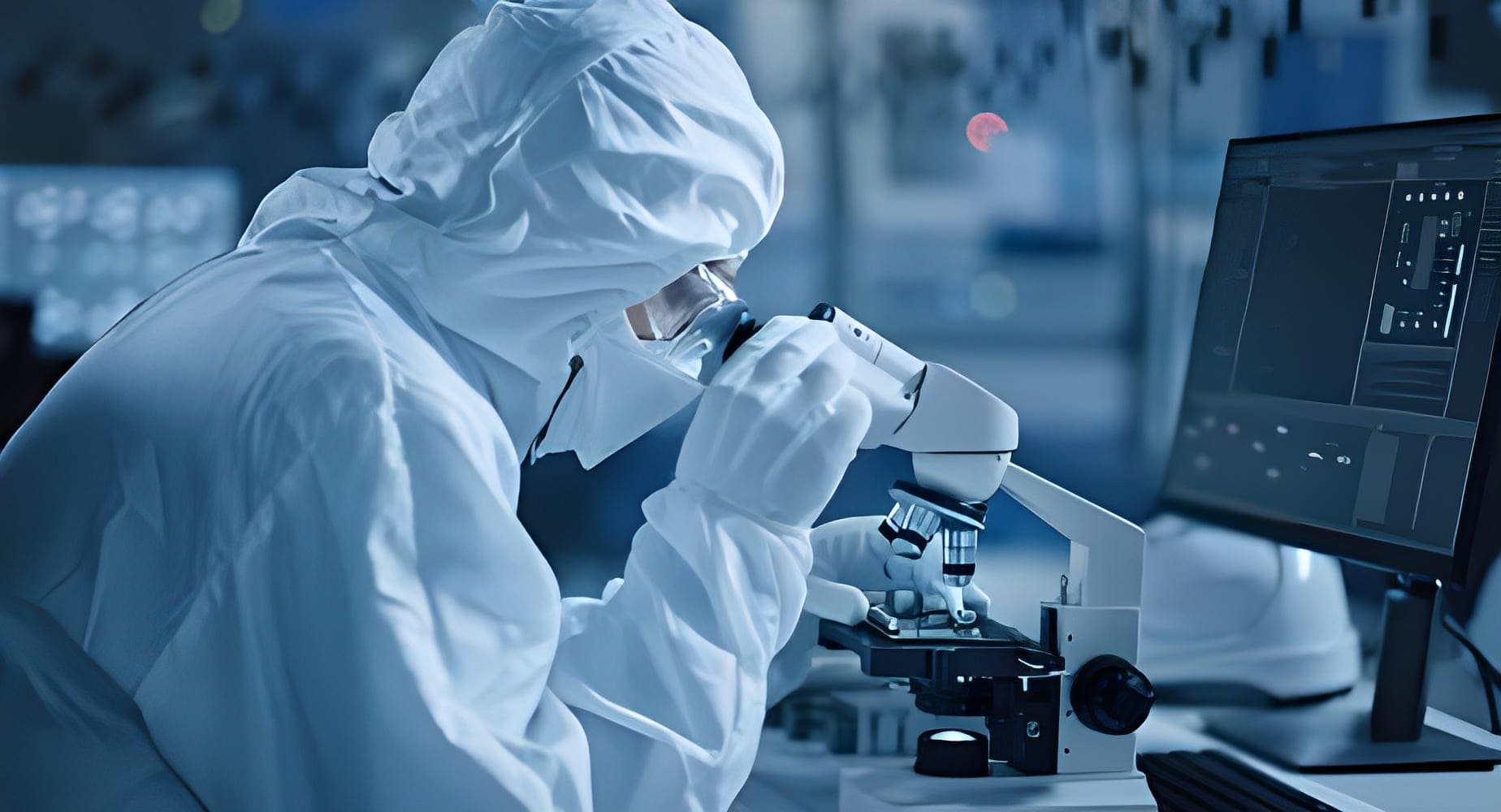
Recently, Union Minister Jitendra Singh mentioned that biotech will soon be a major part of the world’s economy. Speaking at a Pune conference, Singh said the biotech industry is quickly expanding, both in India and globally, because of fresh concepts in fields such as life sciences, farming, the environment, and manufacturing.Singh’s statements come as India’s bioeconomy is already prospering, helped by government support. Now, let’s touch on Singh’s message, where India stands, its problems, and what this all could mean for the world’s economy.
What the Minister Said
At a Pune conference, Union Minister Jitendra Singh stated that biotech isn’t a niche field, it’s becoming a driver for economic progress. He noted that India’s biotech industry is now worth about $130 billion, a large increase from $10 billion in 2014.It’s predicted that in five to seven years, this number will jump to around $300 billion.Singh said this shows a shift away from traditional industries to biology-based ones, like genetics, agricultural biotech, recycling, and bio-industrial processes.He also brought up the BIO-E-Tree policy, designed to put biotechnology to work for the environment and economy, and to create jobs.Singh feels the biotech revolution is here, and India needs to take the lead and reap the benefits.
India’s Biotech Situation
Looking at the current state and figures explains why Singh’s message is important. India bioeconomy has seen quick growth in under ten years, from $10 billion in 2014 to about $130 billion today. The amount is expected to double soon. Some reports had the bioeconomy at about $80 billion just a few years ago. That shows how quickly it’s expanding. Different Areas, Startups, and Policy Assistance. This progress comes from various fields, like biopharma, agricultural biotech. The number of biotech startups in India has jumped, thanks to incubators, updated rules, government funding, and private investments. The government has created or is planning policies to aid growth, like the BIO-E3 policy (Biotechnology for Economy, Employment, and Environment).
India is viewed as one of the top 12 countries in biotechnology.The bioeconomy is playing a bigger role in India’s GDP, exports, and new ideas. The country’s advancements in vaccine production, biopharma, and business growth are getting global recognition.Why Biotechnology Could Become Important
Singh’s idea is based on current happenings. Some main points include:
1. Advances in Science and New Tech
2. Important Global Needs
3. Policies, Funding, and Rules
4. Startups and New Ideas
5. Global Trade
Union Minister Jitendra Singh’s suggestion that biotechnology will drive the global economy is bold but grounded in current events. India’s biotech industry has grown quickly, aided by government plans, a growing startup scene, scientific progress, and key global needs in health, agriculture, and the environment.
If India tackles the issues rules, ethics, facilities, funding it could see major gains for its economy, society, and environment. Globally, we might be at the start of a bio-driven change that reshapes how we make medicines, grow food, make materials, and tackle climate change.Biotech will likely gain importance for economic strength down the line. The question is how well countries like India, with large potential, will use this opportunity.