



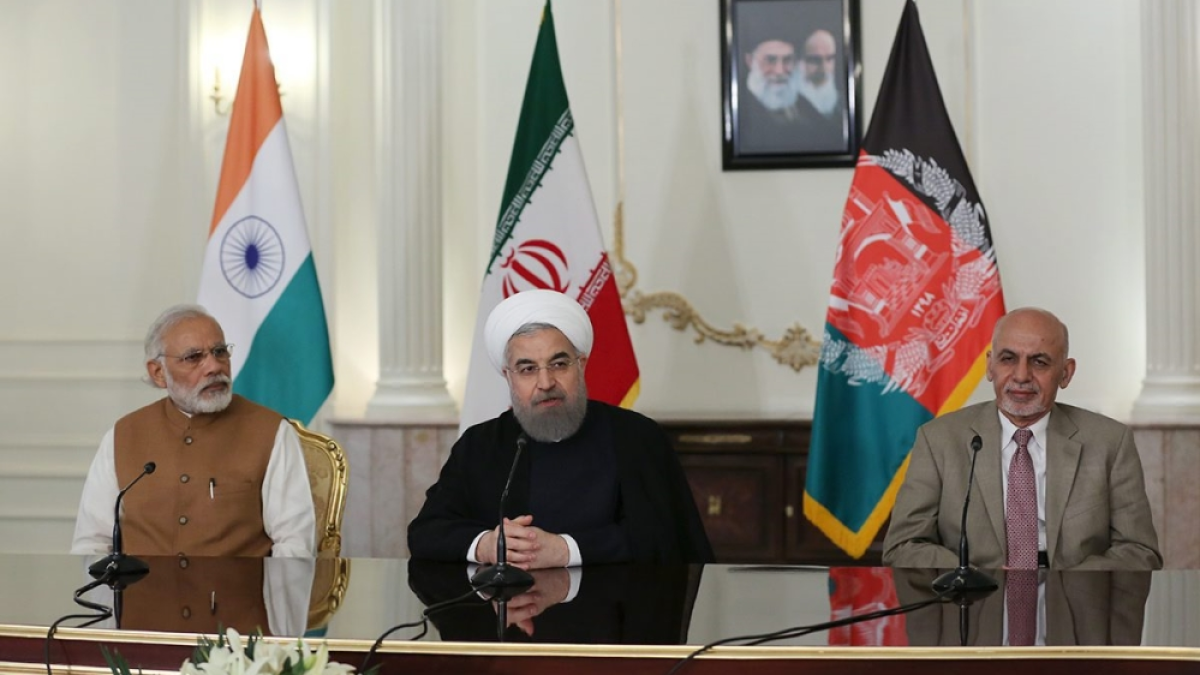
This week, India, Iran, and Uzbekistan’s foreign ministers had their first meeting in Tehran, which is a key moment for diplomacy in Asia. Even though this specific setup is new, these countries have been working together in different ways for a while. This meeting shows shifts in Eurasian geopolitics. They mainly discussed trade, connections, and safety.
India, Iran, and Uzbekistan working together might not be big news, but it’s a key step in changing how South Asia, Central Asia, and the Middle East link up. For Iran, after years of sanctions that cut it off, these partnerships help it get back its place as a trade hub.
The meeting’s main goal was to strengthen ties across continents, both through actual infrastructure and diplomatic efforts. Talks covered trade routes, terrorism, energy, and cultural exchange. This showed that the region has many different needs.
A key takeaway from the trilateral meeting was the focus on Iran’s Chabahar Port, which India has been developing for quite some time. Unlike Pakistan’s Gwadar Port, which has strong ties to China, Chabahar gives India and its partners a politically practical way to reach Central Asia and other areas. The discussions really pushed Uzbekistan to use Chabahar more for its trade, which would help it avoid some common delays.
For India, this is more than just about shipping goods. Chabahar is the way to Central Asia that doesn’t rely on Pakistan, a country with which relations are difficult. By getting Uzbekistan to send goods through Iran, India strengthens its economic ties and reduces Pakistan’s control over land access to the area.
Chabahar is helping Iran grow its influence in the area by bringing in investments and boosting construction. The port offers Uzbekistan a dependable trade route that isn’t controlled by other countries.Security was a key topic because the three countries are concerned about growing terrorism, which the Taliban’s rise in Afghanistan has made worse.
India often talks about how terrorism is spreading in Asia. Iran is also worried, mainly because of extremist groups near its borders. Uzbekistan, being next to Afghanistan, faces a big risk. The meeting focused on joining forces to stop terrorism and extremism, like sharing information, improving security cooperation, and ensuring that no country in the area gives radicals a safe place. The three-way talks covered trade and energy deals, not just security. India’s need for energy is growing, so it’s a good match. Iran is in a good spot to help move goods and energy. India could get energy and also use Uzbekistan’s raw materials, which would be a chance for Indian companies. For Iran, trading with India and Uzbekistan could help keep its economy steady and push back against the effects of Western sanctions.
The first meeting between India, Iran, and Uzbekistan might not be huge news, but it could matter a lot down the road. As the world changes, countries that are small but in key locations are realizing they can protect themselves by working together. The recent Tehran meeting shows India, Iran, and Uzbekistan think regional unity can fix distance, political issues, and outside pressure. We’ll see if the meeting works out. Still, this talk is a good start for a more connected, cooperative, and safer Asia.


