

Setting the Scene
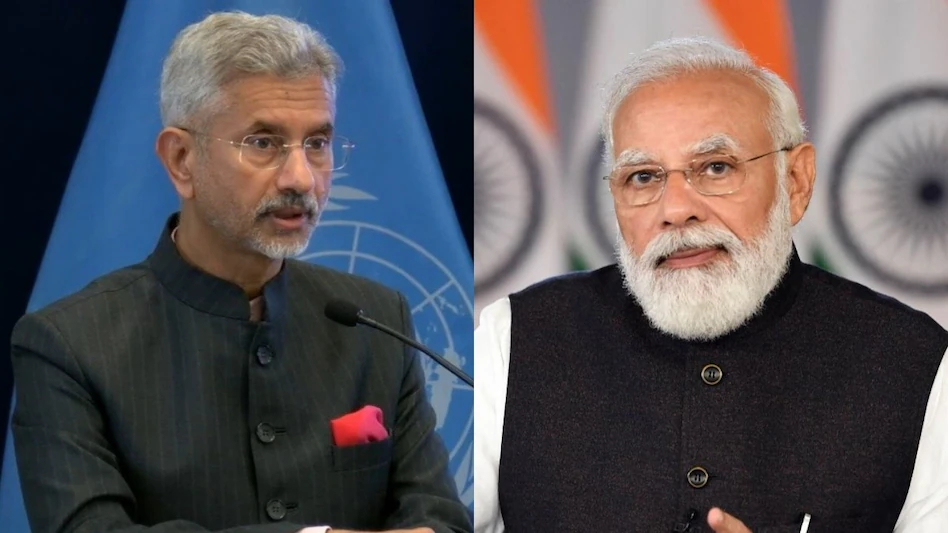
In a twist of diplomatic choreography, Prime Minister Narendra Modi has decided to give the podium a pass this year at the United Nations General Assembly. Instead, India’s voice at the 80th UNGA will be carried by External Affairs Minister S. Jaishankar. This update comes as the world’s busiest diplomatic season kicks off in New York.
What’s Changing—and Why
Originally slated to speak on September 26—sharing the stage with leaders from Israel, China, Pakistan, and Bangladesh—Modi will now hand that baton to Jaishankar, who will address the Assembly on September 27. The announcement, though sudden, reflects the balancing act between India’s packed diplomatic calendar and the need to ensure the country’s message resonates on the world stage.
Behind the Breather
There’s no single reason on the record behind Modi’s absence—it’s being attributed to an overflowing diplomatic calendar. But whatever the cause, it underlines flexibility in India’s global messaging: the country remains fully present, even if the Speaker changes.
Why It Matters
Jaishankar isn’t just a placeholder—he’s a seasoned diplomat with decades of experience. Known for his clarity and calm, he has already shaped much of India’s foreign policy posture in recent years. His words at the UN will carry the same weight, conviction, and continuity that the Prime Minister’s would have.
In a Nutshell
Modi may be stepping aside from the limelight this time, but India’s narrative will still echo across the halls of UN Headquarters. With Jaishankar at the helm, the message is clear: India’s voice remains strong, steadfast—and still very much tuned into the global conversation.