



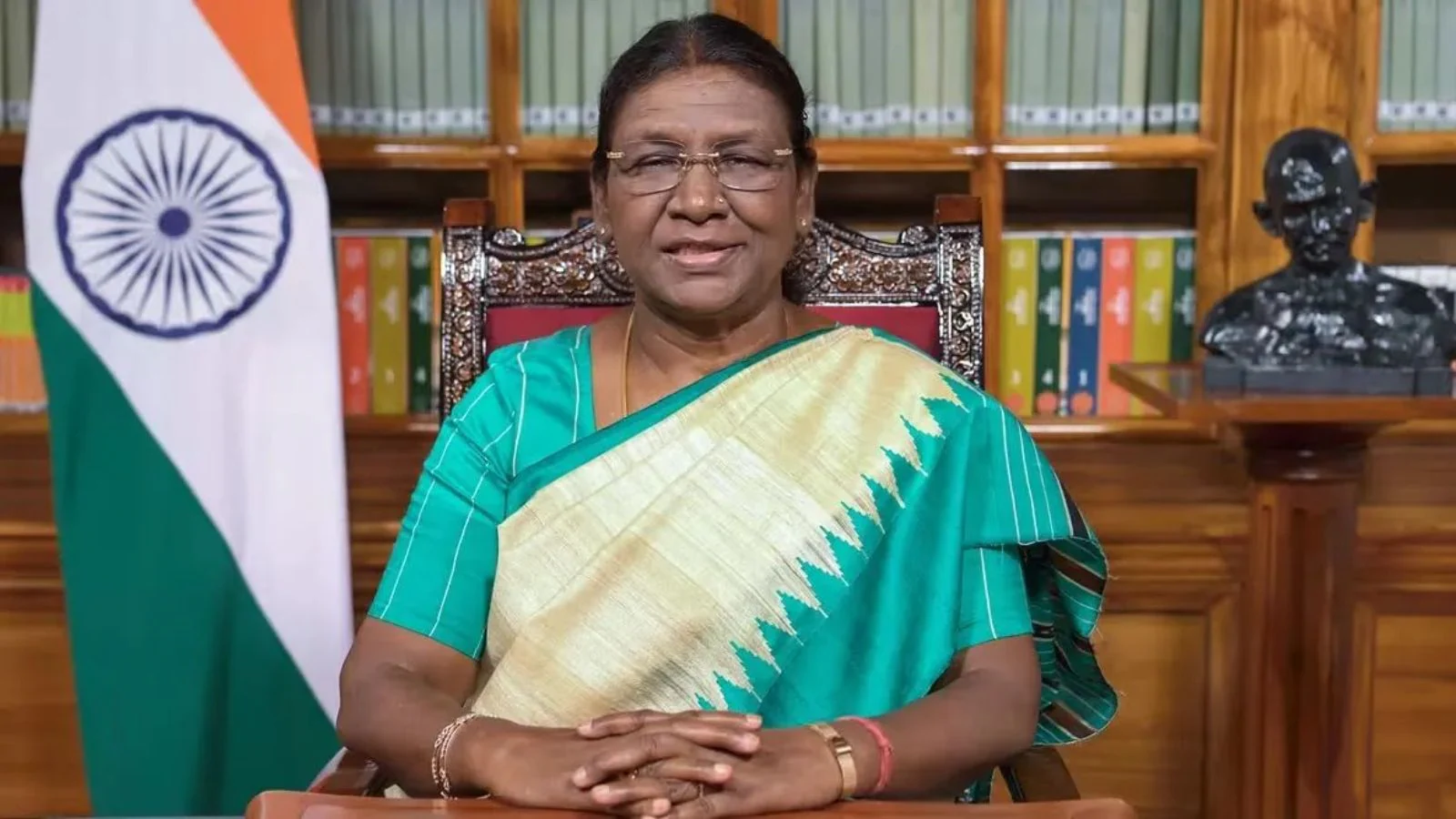
When tribal leaders visit Rashtrapati Bhavan, the atmosphere changes. It’s filled with respect, tradition, and the importance of their stories. On September 9, 2025, when President Droupadi Murmu greeted tribal reps under the Ministry of Tribal Affairs’ ‘Adi Karmayogi Abhiyan,’ it felt like a turning point. Tribal voices were being brought into India’s important policy talks.
A Movement Based on Respect
President Murmu called the campaign “a great way to talk and work together to shape the future of tribal society and the country.” Her words showed urgency and belonging. She insisted that tribal groups should be seen as active partners in India’s growth, not just people who receive help. She made it clear: being inclusive isn’t charity, it’s fair.
What the Abhiyan Is All About
The Adi Karmayogi Abhiyan is called the world’s biggest tribal grassroots leadership program. It’s getting 2 million Adi‑Karmayogis involved across 100,000 tribal villages in every state and territory. It’s not just about plans from the top. It aims to give communities power from the inside.Adi Sewa Kendras are like village centers where people can get advice, talk about community problems, and get mentoring. The Dharti Aaba Abhiyan has made basics easier to get in thousands of tribal villages.
Governance Lab Workshops teach local leaders, taking info from state capitals to small villages.Adi Vaani, a digital link, puts tribal languages in schools, so culture is celebrated in teaching. Together, these things make the Abhiyan a movement and a project.
Policy with a Human Side
For the tribal leaders who came from far away to meet the President, this wasn’t just a government thing. It was proof that they mattered. Many said they felt good hearing their languages in official stuff. Others talked about older generations who were ignored but are seeing their voices heard at the highest levels.Having President Murmu there made the campaign feel real. As India’s first tribal President, what she says really hits home in a way that most people can’t. She told everyone that true power comes from being seen, having a voice, and taking charge. For her, this Abhiyan isn’t just some policy thing; it’s something she’s lived, a way to link the government and the people.
Working Together
Murmu mentioned, This plan shows that we’re all in to create a fair India where everyone is included. People all over the room agreed. It’s not just about giving out help, but about respecting people, giving them control, and letting tribal groups have a say in important decisions. She asked young people and community leaders to step up, to share their thoughts everywhere and to make sure people are held to account for what they say they’ll do.
For young people in tribal belts, the programme could mean access to digital literacy, cultural pride, and pathways to employment. For women, it could mean safer participation in governance. For elders, it promises that oral traditions and local wisdom won’t be erased but recorded and honoured.
Looking Ahead
The road ahead is ambitious. More process labs will open regionally. More Adi Sahyogis and Adi Saathis will be trained to become the change agents of their villages. And tribal voices will continue to be mainstreamed through digital innovation like Adi Vaani. If delivered with integrity, the Abhiyan could become more than just another initiative. It could stand as a landmark example of how progress is built when those at the grassroots shape their own destiny.
A Soft Milestone, A Strong Start
For now, the President’s words echo with hope. For the leaders seated in Rashtrapati Bhavan, the moment was about more than a policy launch it was about acknowledgement. The Adi Karmayogi Abhiyan is young, but its heart is strong. And in the quiet commitment of those who gathered, one could sense a promise: that India’s path forward will be richer, more inclusive, and
more humane because of it.
Keep Reading


