



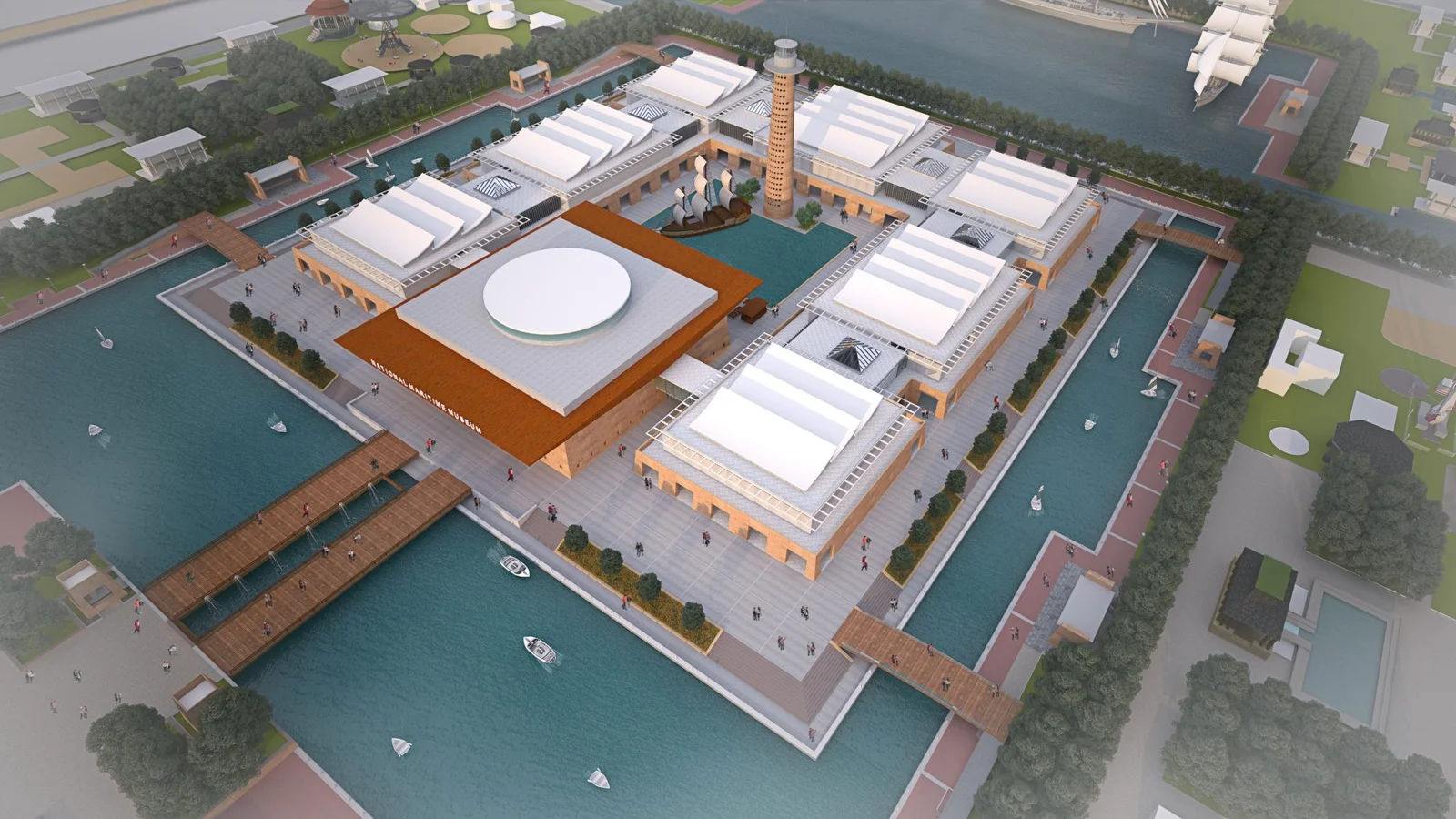
On September 20, 2025, Prime Minister Narendra Modi plans to visit Gujarat to check out the National Maritime Heritage Complex (NMHC) at Lothal, one of the biggest heritage projects recently. This huge ₹4,500 crore project covers 375 acres and is designed to show off India’s sea history, which goes back thousands of years. It also aims to be a top spot for learning, tourism, and culture.
This isn’t just about building a museum. It’s about telling India’s story as a sea power. It’s a place where people understood the sea, built docks, traded with far-off places, and found ways to connect with the world way before today. For years, people have talked more about India’s land history, like its empires and forts. But Lothal tells a different story of ships, beads, sailors, and dockyards. So, Modi’s visit to Lothal isn’t just a formality; it shows that people are starting to recognize this forgotten part of history.
Lothal is a unique place. It’s in the Bhal area near the Gulf of Khambhat and used to be a cutting-edge center of the Indus Valley Civilization over 4,500 years ago. Researchers found evidence of a big dockyard, bead factories, good drainage, and trade connections all the way to Mesopotamia. Imagine ships built here thousands of years ago, carrying valuable goods across the Arabian Sea, making India known for its skills and business. When we talk about ‘Make in India’ and exports now, Lothal reminds us that this isn’t new; it’s something we’ve been doing for a long time.
The NMHC wants to make this history interesting for everyone – experts, tourists, and families. The design is impressive, with fourteen sections covering India’s sea history from the Harappan period to today’s Navy. There will be a tall Lighthouse Museum, about 77 metres high, with an open area at 65 metres for great views. People can walk through areas about coastal states like Kerala, Odisha, Tamil Nadu, and Goa. Each one will show off the local sea culture, crafts, and stories of sea communities.
But there’s more than just history here. There are plans for four different theme parks, including adventure areas and places about climate. A floating restaurant will let people eat on the water, and a tent city and 100-room resort will be there for longer trips. There are also plans to recreate Harappan buildings, have ship models, and create digital simulations to make the place fun and educational.
This project means a lot to Prime Minister Modi personally and politically. Gujarat, his home state, has always been connected to sea trade because of its long coast. By supporting NMHC at Lothal, he’s bringing back a part of Gujarat’s identity and showing India’s sea history to the world. He will check the completed parts – like a power station, parking for 500 cars, and electric car systems for visitors. He’ll also look at how the sections, research areas, and tourism facilities are coming along.
The NMHC is important because it connects to India’s identity and how it’s growing. First, it keeps a cultural promise. Modi has often talked about the ‘Panch Pran’ – five promises to make India developed, including saving its heritage. Bringing Lothal back to life does that. Second, it could change tourism in Gujarat, bringing in visitors from India and other countries. Heritage tourism is a big deal for local economies around the world, and NMHC could make Lothal a popular spot.
This project also shows India’s sea goals. India has been talking about the sea economy, security, and coastal growth. By building a heritage site about sea history, India is showing that it has always been involved with the seas. From the Cholas in South India to today’s Navy, this shows how important the sea is to India.
Learning and research are also key to the project. With plans for a Maritime University and a research center, the complex will be a place to learn. Students studying old objects, the sea, and the environment could find chances here. Working with museums and universities around the world could bring experts to Lothal.
Like any big project, there are problems. One is finding the right balance between keeping things real and making them modern. How do you recreate Harappan buildings without making them feel fake? Experts, designers, and leaders need to work together to make sure things are done right. Money and time are also concerns. Projects like this often take longer or cost more than expected. It’s important to be clear and responsible.
Getting the local community involved is key to making the project successful. Locals shouldn’t feel left out. Their crafts, food, and services should be part of the tourism that comes. Jobs in hotels, guiding, maintenance, and shows can give people a way to make a living and keep the project going.
For visitors, NMHC should be a great experience. Imagine being taken from the docks of Harappan Lothal to the lighthouse of today. Imagine walking through sections that tell stories of Arab traders or models of Chola ships. Families could have fun in the theme parks while experts study research. Students could join workshops, and tourists could enjoy Gujarat’s food and culture. This mix of learning, fun, and culture is what makes NMHC special.
In short, the National Maritime Heritage Complex isn’t just a museum; it’s a link between the past and the future. It celebrates India’s sea history, teaches future generations, boosts tourism, and creates local jobs. For Modi, checking on it is both political and cultural. For the world, it shows that India has always been connected to the seas. If done well, NMHC will be a reminder of India’s long history on the water.


