

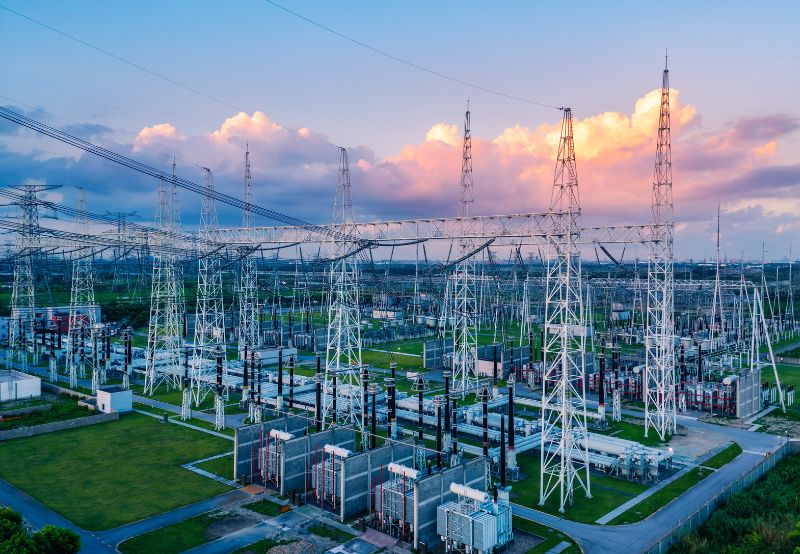
India has canceled grid access for almost 17 gigawatts of late clean energy projects, mostly solar and wind. The Central Transmission Utility of India Ltd (CTUIL) says it’s doing this to focus on projects that are up and running or almost done. They want to make the power grid cleaner and more reliable.
Why This Decision Matters
This isn’t a punishment—it’s a pragmatic response to a real bottleneck. India’s clean energy capacity is surging, but its transmission infrastructure is struggling to keep pace. With demand growing fast, unused or postponed projects are clogging system capacity. Hence, the focus has shifted to making sure generation translates into actual power flowing to communities.
Who’s Affected—and WhereMajor clean energy players—Adani Green Energy, ReNew Power, NTPC, Avaada Group, JSW Energy, and ACME Solar—have been directly impacted. The affected projects are geographically spread across solar-rich and wind-capable states like Rajasthan, Gujarat, and Madhya Pradesh.
What Went Wrong—and What’s Next
These cancellations happened after workers checked things by hand and warned the builders ahead of time. Some of the companies that got hit, like JSW Energy, asked the Central Electricity Regulatory Commission (CERC) to step in, but so far, no help has been given. This shows the government really wants to make sure people are responsible and that things get done.
Behind the news, there are projects that should be bringing electricity to homes, powering hospitals, and creating local jobs. Each stopped project is a missed chance, like not getting electricity to people in the countryside or slowing down manufacturing growth. This choice, though needed, shows the problems between what we plan and what actually happens.
This is not the only time this has happened. India is facing around 50 GW of renewable projects that have been approved but are stuck because of transmission delays, rules, or money problems. These delays not only mess up our energy goals but also scare investors.
A Balancing Act for GrowthEnergy experts advise synchronized planning. At the recent BloombergNEF summit, Central Electricity Authority Chairman Ghanshyam Prasad urged developers to align capacity building with actual electricity demand and transmission timelines. He called for applications for grid connection to be submitted 24–36 months in advance—underlining that otherwise, generation becomes idle.
Meanwhile, to sustain momentum, India trimmed the GST on solar and wind equipment from 12% to 5%, a move expected to lower project costs and pressure existing developers to adopt more competitive tariffs.
Looking Ahead
Systemic Strength, Sustainable ScalingIndia stands at an inflection point: its ambition to reach 500 GW of non-fossil fuel capacity by 2030 is bold and necessary. But it cannot be met without an equally bold push in grid infrastructure, storage solutions like battery systems, and regulatory coherence.
If India’s renewable boom is to lift millions, it cannot be shackled by outdated transmission or administrative inertia. What’s needed is a tightly choreographed performance—where generation, regulation, and delivery move in sync.