



On September 18, 2025, India’s Chief Economic Adviser, V. Anantha Nageswaran, said that the U.S. might bring down the 25% import tax on Indian goods, maybe to somewhere between 10% and 15%. This might happen because both countries are talking, and it could mean a fresh start for their business relationship. It’s especially good news for Indian companies and exporters after some tough times.
The U.S. first slapped these taxes back in August 2025 under the Trump administration, mostly because India was buying Russian oil during the Ukraine situation. This meant an extra 25% tax on Indian stuff, basically doubling what was already there and stressing out Indian exporters.
India reacted quickly by looking for other places to sell to, like countries in the EU, the UK, and Japan. Gokaldas Exports, for example, said they wanted to grow their business in the EU and UK, hoping to double their earnings from those areas in a couple of years. Indian exporters also started trying to improve their quality, meet all the rules, and make better products to stay competitive.
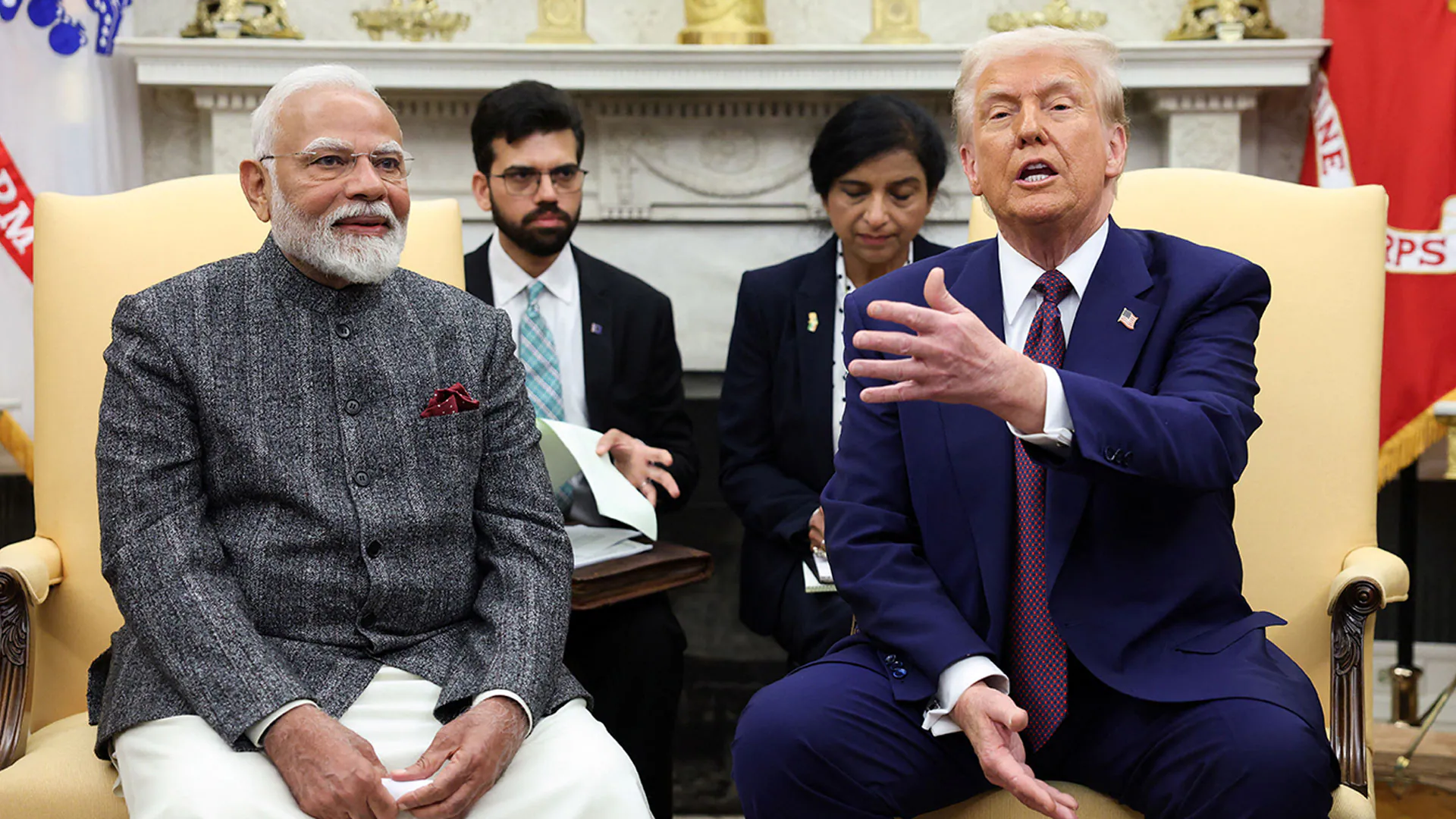
India and the U.S. kept talking. A phone call between President Trump and Indian Prime Minister Narendra Modi around Modi’s 75th birthday seemed to help calm things down. People said the call went well and suggested the taxes might be cut to ease tensions.
The chance that these taxes might go down made the stock market feel better. The Nifty 50, which shows how well India’s stock market is doing, hit its highest point since early July 2025. Investors thought lower taxes would mean better trade and less worry for exporting companies. Experts are saying that if the U.S. does cut these taxes, Indian goods would be cheaper in America, which would help exporters make more money and give the whole Indian economy a boost.
Cutting taxes could really help the economy. By making trade easier, Indian exporters could better compete in the U.S., sell more goods, and get their supply chains running smoothly. This would not only assist current businesses but also encourage new investments in areas like textiles, IT, agriculture, and engineering products. Chief Economic Adviser Nageswaran sounded optimistic, saying that they might reach an agreement soon, which would bring stability and good vibes to investors.
Trade is always tied to what’s happening around the world. India’s energy purchases from Russia and the situation in Ukraine put a strain on its relationship with the U.S. By working through these problems and being open to discussion, India has positioned itself as a helpful and responsible player in trade. plus, cutting taxes shows that the U.S. wants to keep a strong business relationship with India, which has a fast-growing economy and is a key player in the Indo-Pacific part of the world.
Even though the idea of taxes being rolled back is good news, there are still some things to work out. The discussions need to cover not just the current taxes but also bigger trade issues, like copyrights, market access for services, and making sure regulations match up. Still, cutting taxes gives Indian businesses a great chance to get into new markets, invest in innovation, and improve where they stand globally. Exporters should be ready to change quickly, invest in getting better at what they do, and take advantage of this good situation to protect themselves from trade problems down the road.
The U.S. thinking about lowering taxes on Indian goods is a big deal for trade between the two countries. Beyond just the money part, it shows they’re willing to collaborate, find stable ground, and expand together. For Indian businesses, exporters, and leaders, this


